What We Can't Put on the List
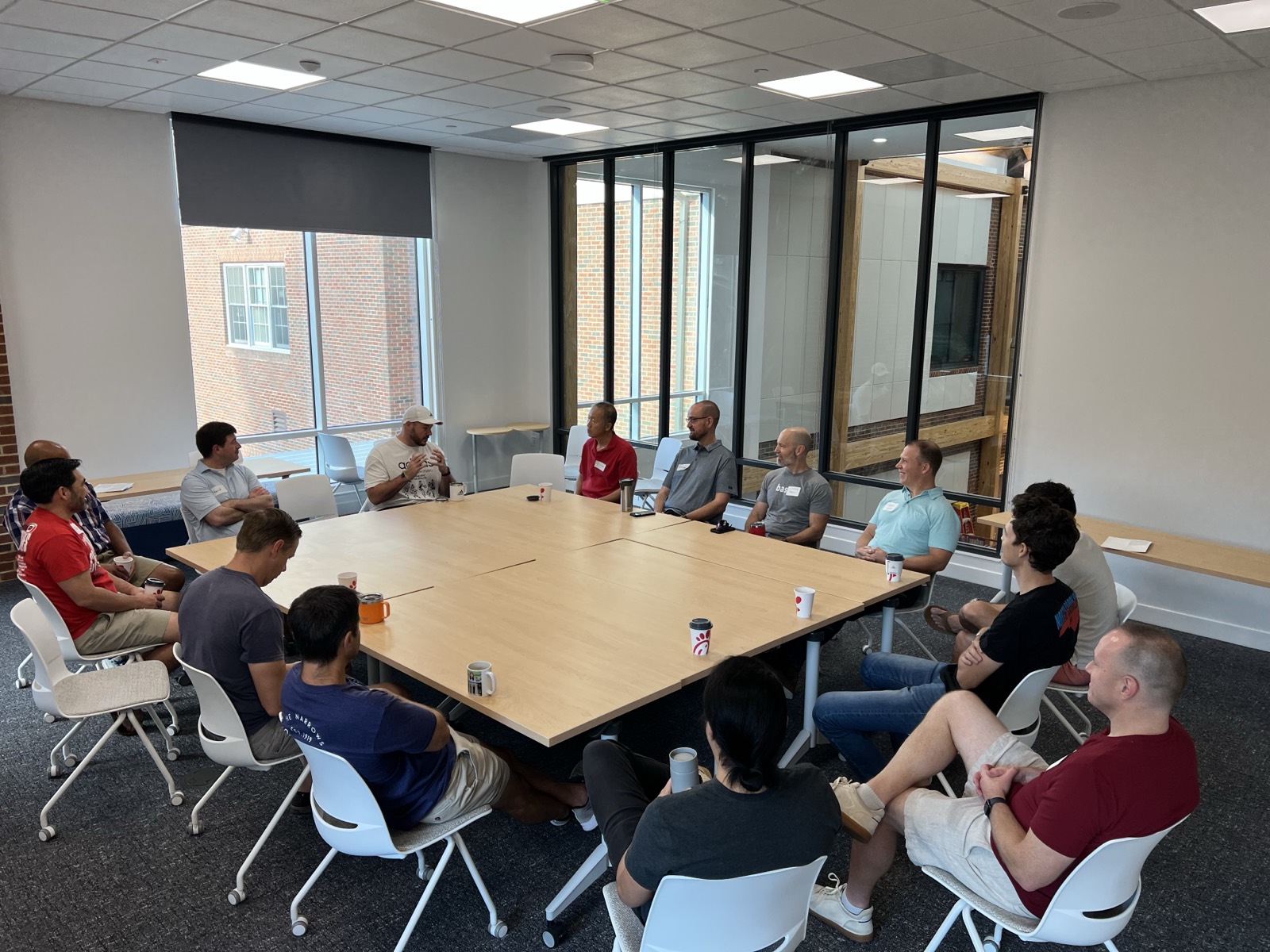
The question we opened with was meant to be a strategic one. Picture your child walking across the stage on graduation day, and ask what you want to be confident they have learned by then—from you, from this church, from whatever experiences you managed to put in front of them.
There are good frameworks for this. One book we’ve passed around calls it planned emancipation: imagine your child’s life as a country made up of territories, and understand your job as handing those territories over one at a time across eighteen years. Money. Laundry. Their own body. A couple of years ago several of us sat in this room with sheets of paper and three questions—what skills do you want them to have, what experiences do you want them to have had, and who do you want them to become.
One dad admitted that the first time we did this, his honest reaction was closer to panic than clarity. All of it laid out at once, and not enough years left to do any of it well.
That is roughly where the strategy stopped working, and where the morning got interesting.
The conversation kept sliding off the plan. Children turn out to have their own interests, and the father hoping to hand down woodworking discovers a daughter with no intention of learning it. Several of us noticed that the same goal takes opposite methods with different kids—one needs drawing out, the next needs reining in.
Then one father, new to the school this year, said the truest thing anyone said all morning. He was talking about his daughter, and about how much it worries him that the wholesome bubble she’s in now vanishes the day she turns eighteen. The skills he can work on, he said. What he doesn’t know is whether she will have anything to fall back on when she’s frightened. And then he admitted he isn’t sure yet who he wants her to become, because he’s still getting to know who she is—and she doesn’t know yet either.
That is the difference between raising a person and completing a project, and it came from a man who was worried rather than from someone trying to make a point.
Stepping Back
Much of what the room described as actually working looked less like instruction than like stepping back. One dad had spent years telling his son to get away from the hot pan, then one day thought it over and let him stay. The boy burned himself. It hurt. He hasn’t burned himself since. Another had been fighting with his son about showering longer than he cared to admit and finally quit fighting; a pimple and a case of athlete’s foot accomplished what the arguing never had, and the kid now treats his own feet without being asked. A guest the week before had given us a plain way to weigh these decisions—how severe is the worst outcome, and how likely is it—and most of what we fight our children over turns out to be fairly likely and not very severe.
It’s worth naming why that works, because it isn’t simply toughness. A child can absorb a burn, or an embarrassing week, when he is certain he belongs and when the man watching him stays calm. Handing over a territory is only safe when the relationship underneath it isn’t in question.
What They Learn From Watching Us
The part that stayed with most of us came last. One dad said the elephant in the room for him is modeling—that he knows exactly how flawed he is, and his children are watching all of it. What followed was a careful conversation about apologizing to your kids, and how hard it is to do cleanly. “I’m sorry I yelled, I was frustrated” isn’t really an apology, because the second half quietly hands the blame back. It has to be: I yelled at you, I shouldn’t have, and I’m sorry—and then you stop talking. One father confessed he doesn’t want to stop there, since he’d prefer his seven-year-old think a little better of him than that.
Someone mentioned having read that children raised by Christian parents who are never wrong and never admit anything are more likely, not less, to walk away from the faith later. That landed quietly. What a child takes from a clean apology isn’t that his father is weak. It’s a demonstration of what a person does when he gets something wrong, and evidence that the relationship survives it.
Deuteronomy 6 tells parents to teach their children as they sit in the house and walk along the road, when they lie down and when they rise. It isn’t describing a curriculum. It’s describing the ordinary hours, which is where nearly all of this actually happens—in the kitchen, in the car, in the four minutes after you lost your temper. Dallas Willard pressed this point for most of his career; to paraphrase him, formation is not behavior management, and what God is chiefly after in a life is the person being formed by it.
We didn’t resolve the obvious tension, and it probably shouldn’t be resolved. The lists are genuinely useful, and a father who plans nothing tends to pass along nothing on purpose. But intentionality slides easily into control, and control is not formation. The dad who described his early panic said what finally helped was praying over his list rather than executing it—remembering that he isn’t the only one forming this child, which he called a relief, since he couldn’t be anyway.
We closed about where Zechariah does. Not by might, nor by power, but by my Spirit.
For This Week
- Write the three lists—skills, experiences, character—and then pray over them before you do anything else with them.
- Pick one thing you still do for a child who could manage it themselves, and hand it over this week. Let them do it badly.
- Name the fight you have most often, and ask honestly how severe the worst outcome would be. If it’s low, consider letting the consequence teach instead of you.
- Apologize to one of your kids without the explanation attached, and stop talking after “I’m sorry.”
- Ask your wife which item on your list she would put first, and why.